
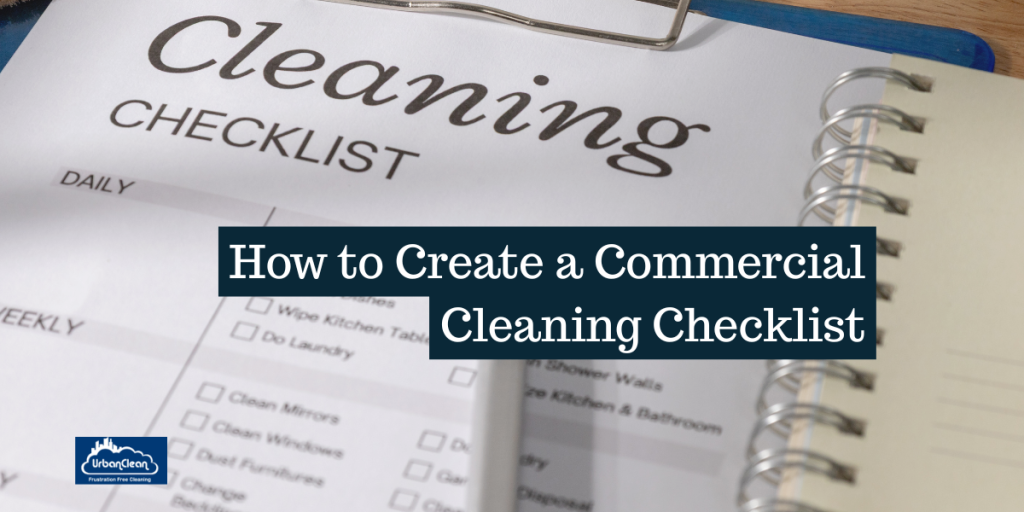
A commercial cleaning checklist is a structured document that lists all cleaning tasks, assigns responsibilities, and sets a schedule for each area of your workplace.
The problem is that most businesses don’t have one. Instead, cleaning occurs on the assumption that one person has wiped down the kitchen and another has emptied the bins. At UrbanClean, we’ve spent over 15 years helping Australian businesses fix exactly this problem through our owner-operator model and smart cleaning systems.
A commercial cleaning checklist fixes these problems by making responsibilities clear and results consistent. In this article, we’ll walk you through how to create one that keeps your workplace hygiene standards on track.
Ready? Let’s get started.
How to Build an Effective Commercial Cleaning Checklist for Your Workplace
An effective commercial cleaning checklist divides your workspace into zones, lists tasks by how often they need doing, and makes it clear who handles each one.
Below are the practical tips to build one for your business.
Identify Your Cleaning Zones
Start by dividing your workplace into distinct cleaning zones. Most offices have common areas like lobbies and hallways, bathrooms, individual desks, kitchens or break rooms, and meeting rooms. Each of these zones sees different levels of foot traffic, so they need different levels of attention.
The layout is worth considering, too. For example, a busy medical centre needs stricter hygiene than a quiet suburban office. And a retail shopfront has different priorities than a corporate boardroom used only occasionally. The idea here is to customise your zones based on how your space actually gets used throughout the day.
Define Daily, Weekly, and Monthly Cleaning Tasks
Once you’ve mapped out your zones, your next step is deciding how often each task should happen.
Start with daily tasks that cover the basics that keep your space looking and smelling fresh. Emptying bins, wiping down surfaces, replacing hand towels and paper towels, and restocking toilet paper in bathrooms all fall into this group.
Next is weekly tasks that go a level deeper. This includes vacuuming carpets, mopping hard floors, and wiping glass doors and partitions to help maintain that professional appearance. These regular jobs also stop dirt and grime from piling up over time.
Finally, schedule monthly tasks to tackle the spots people tend to forget, like wiping walls, dusting ceiling vents and blinds, and cleaning out the office fridge. This kind of scheduled deep cleaning will keep harmful bacteria from settling into hidden corners and extend the life of your facilities.
Assign Responsibilities
Every task on your checklist needs a name beside it. You can assign cleaning duties to internal staff members or bring in external commercial cleaners, depending on your setup and budget. Without clear ownership, however, teams often miss essential tasks.
A simple paper checklist is usually enough for smaller teams. But for larger businesses, we recommend using digital systems, like SafetyCulture, that track task completion in real time.
Whichever method you choose, use a sign-off sheet to add an extra layer of accountability. This way, your workers can confirm they completed the job correctly.
Adapt Your Cleaning Plan for Different Workplaces
A good business cleaning plan isn’t one-size-fits-all. Different workplaces have different needs based on who uses them and how often. In this section, we’ll show you how to adapt your commercial cleaning checklist based on the type of space you’re working with.

Office Cleaning Brisbane: What to Focus On
General offices need a cleaning approach that puts high-traffic zones first. We recommend starting with reception areas, shared kitchens, and meeting rooms, since these spaces see the most daily use and collect the most germs. Desks with shared devices like keyboards, phones, and printers need regular attention too, as multiple hands touch them throughout the day.
Remember, the focus here is consistency over intensity. This daily cleaning will keep your employees healthy and leave clients with a strong impression of your business.
Medical Facilities and High-Hygiene Workplaces
As we mentioned before, medical centres and similar spaces, like dental clinics and physiotherapy centres, operate under much stricter rules. This means the waiting rooms, consultation areas, and bathrooms all need more frequent sanitation (sometimes multiple times a day). Standard cleaning products often aren’t strong enough for these environments either.
You need stronger disinfectants and hospital‑grade solutions, like bleach‑based cleaners and EPA‑registered hospital disinfectants, to meet health and safety regulations.
Cleaning protocols must also follow the National Safety and Quality Health Service (NSQHS) Standards, particularly the Preventing and Controlling Infections Standard. If your workplace falls into this category, your checklist should reflect those higher standards from the start.
Choose Safe Cleaning Products
What’s more, the cleaning products you choose can affect how safe the space is. Harsh chemicals such as ammonia and bleach can irritate skin, trigger allergies, and degrade indoor air quality over time. For most workplaces, eco-friendly options offer a safer path forward without losing any effectiveness.
Pro tip: Choose products with recognised Australian safety certifications like Eco‑Logo/UL 2784 or Good Environmental Choice Australia (GECA). Also, avoid anything leaving strong chemical smells or a sticky or powdery film after use. These can indicate harmful residues like ammonia, chlorine, or quaternary ammonium compounds that could harm your team.
When to Hire Professional Cleaners
Sometimes your internal team just doesn’t have the time or know-how to keep up with cleaning demands. That’s when you should call in commercial cleaning services. Professional cleaners can take care of daily maintenance as well as scheduled deep cleaning, which frees your staff to focus on their actual roles.
Many cleaning companies also offer custom service plans based on your facility’s specific needs. You can even get a free quote upfront from most companies to compare options before deciding.
Build a Safer, Cleaner Workplace With a Simple Checklist
So, how does your current cleaning routine measure up? If you’ve read this far, you already understand that a good commercial cleaning checklist keeps things looking neat while reducing health risks and improving employee morale. That kind of environment can help your whole team work better.
However, your business cleaning plan shouldn’t stay the same forever. Take time to review it each month and add new tasks or areas when needed. As your business grows or seasons change, your checklist should adjust to match.
Many business owners also find value in partnering with a trusted cleaning company like us. Our professional cleaners offer background-checked staff, secure site access, and specialist services, which allow you to focus on running your business.
Ready to see what that looks like? Contact Urban Clean today for a free quote and experience our Frustration Free Cleaning for yourself.